The Death of the Grandmother in Proust’s “À la recherche du temps perdu”
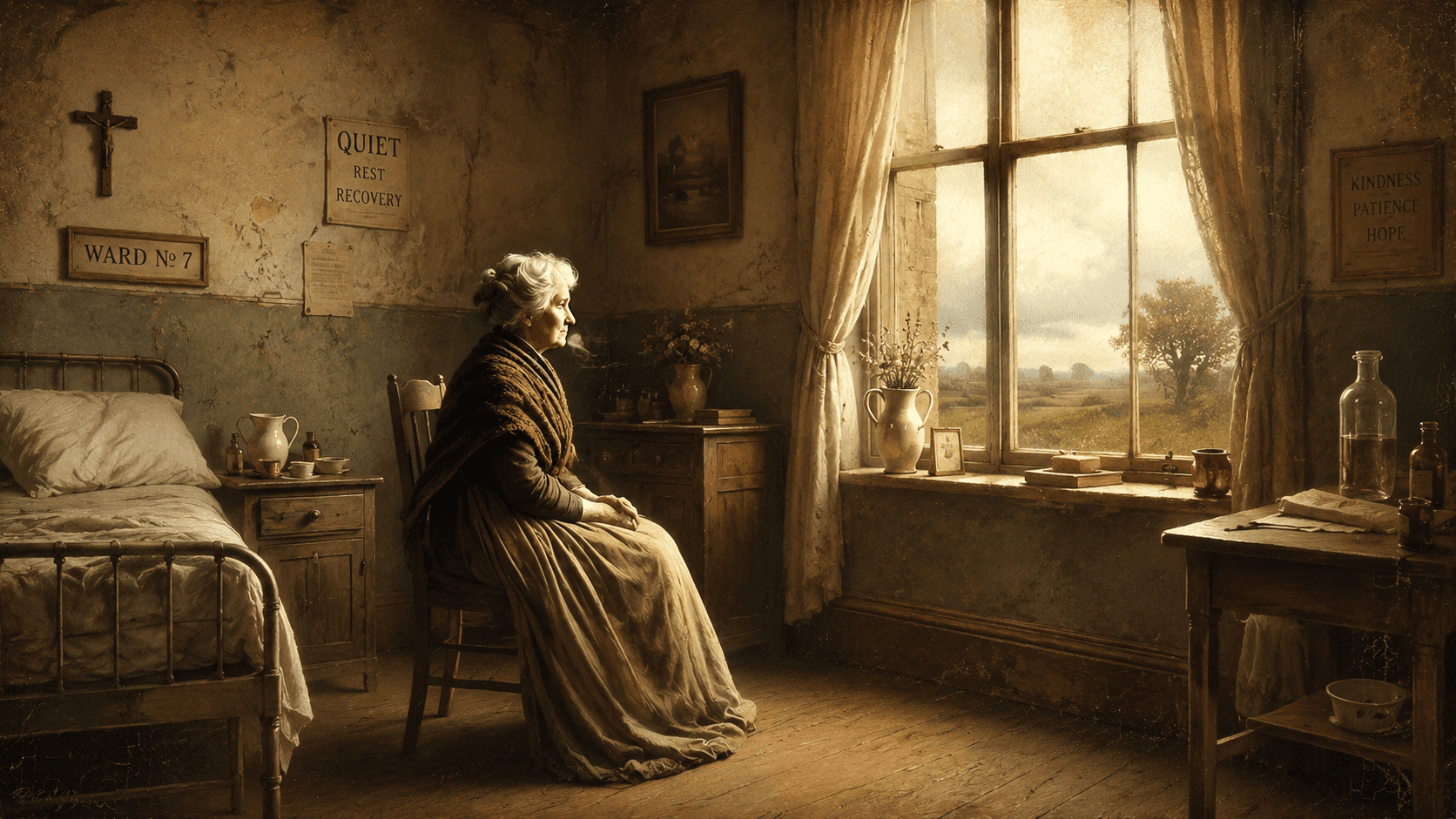
An elderly woman sits quietly on a wooden chair beside an iron hospital bed, gazing out a sunlit window in a softly lit early 20th-century convalescent room filled with worn furniture, simple bottles, and a calm, reflective atmosphere.

The Death of the Grandmother: A Moment of Truth, Fragility, and Revelation Introduction In the third volume of “À la recherche du temps perdu”, Marcel Proust portrays the gradual illness and death of the narrator’s grandmother. This episode stands as one of the emotional, philosophical, and narrative pinnacles of the entire work. Through his meticulous … Read more
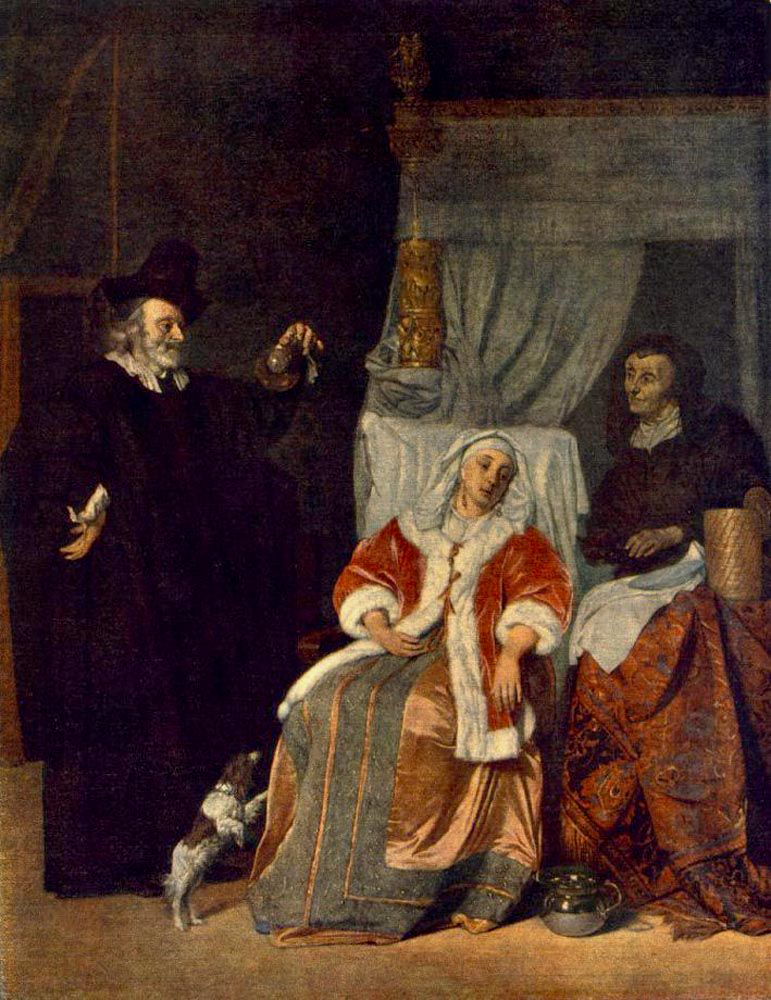
“The Doctor’s Visit” by Gabriel Metsu

La visite du docteur Metsu

The Artist Gabriel Metsu (1629-1667) was a Dutch painter. Born in Leiden, where he studied at the Guild of Saint Luke, he later moved to Amsterdam. His paintings depict everyday life scenes with meticulous attention to detail. The Artwork Multiple versions of “The Doctor’s Visit” are attributed to Metsu, with the most renowned one housed … Read more

“The Doctor” by Luke Fildes

The Doctor

This highly acclaimed painting is not only a masterpiece of craftsmanship but also carries a powerful social message. It portrays the doctor as a deeply human figure, selflessly dedicated to caring for his young patient. The Artist Luke Fildes (1843–1927) was an English painter renowned for his portraiture. A prominent figure in Victorian art, he … Read more

Dr Rieux in Albert Camus’ “The Plague”

A physician stands on a glowing divide between two opposing worlds: a dark quarantined industrial city with masked medical staff on one side, and a fiery militarized landscape with rows of soldiers and an authoritarian flag on the other.

The Author Albert Camus (1913–1960) was a French writer-philosopher and a key figure in existentialism. Born in Mondovi, Algeria, Camus began his philosophy studies in Algiers. He later moved to Paris where, during World War II, he actively participated in the resistance against Nazi occupation. His most renowned novel is “The Stranger.” In 1957, Camus … Read more

“The Scarlet Plague” by Jack London

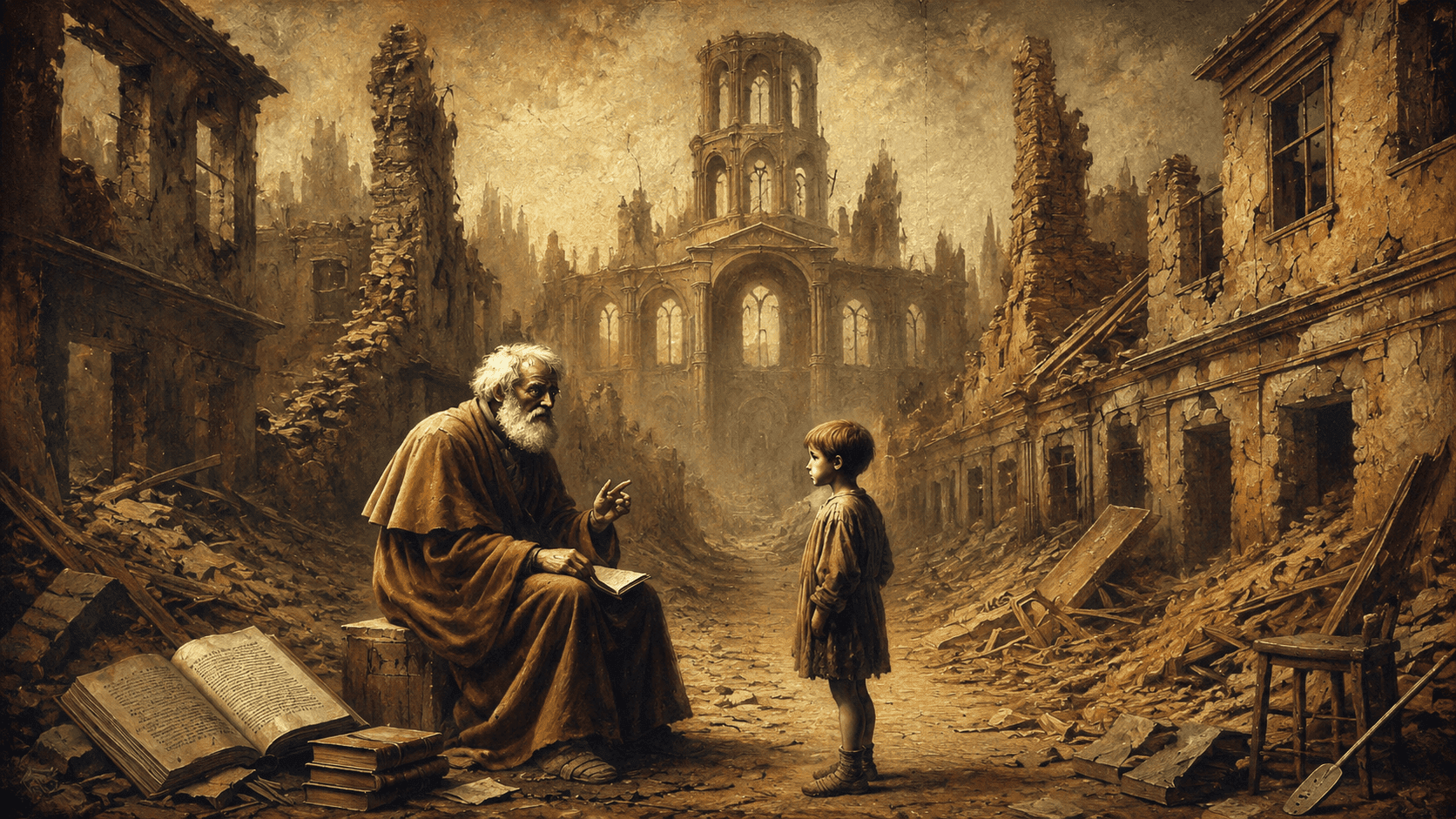
An elderly bearded scholar sits among open books in the ruins of a devastated city, speaking to a young boy as a crumbling cathedral rises in the background.

I alone remember. And if I don’t tell you, children, everything that was and everything we knew, all will be lost. Jack London (1867–1916) was a prolific American writer. He’s best known for adventure novels like “The Call of the Wild” and “White Fang,” but his vast work also addressed social issues. “The Scarlet Plague,” … Read more

“A Young Doctor’s Notebook” by Mikhail Bulgakov

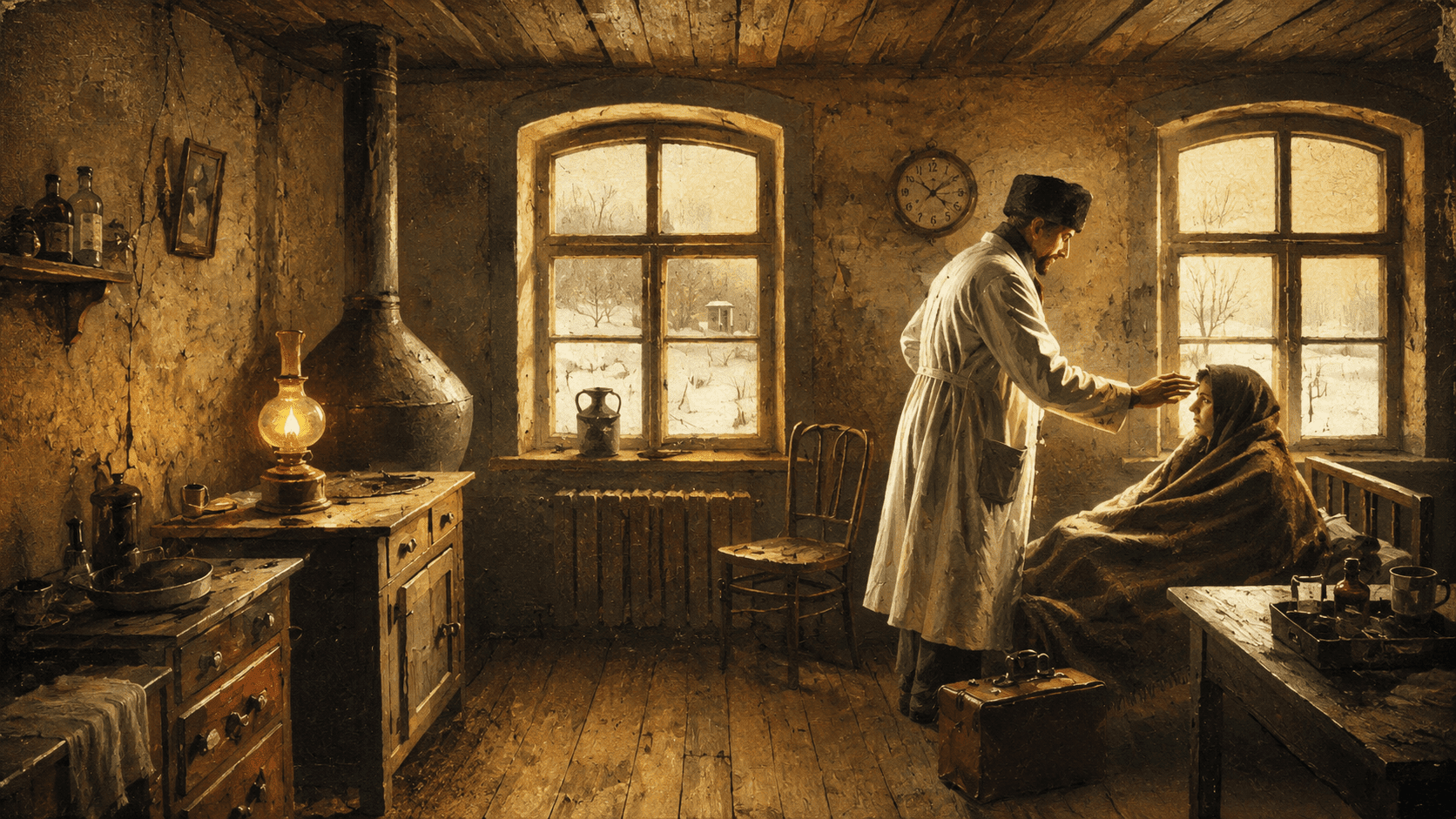
Early 20th-century doctor in a white coat examines a seated woman wrapped in a blanket inside a modest rural clinic, with wooden furniture, medicine bottles, an oil lamp, and snow-covered windows.

“A Young Doctor’s Notebook” by Mikhail Bulgakov is a goldmine of information for those interested in the history of medicine. Mikhail Bulgakov, a Russian doctor and writer, lived from 1891 to 1940. Born into a family of intellectuals, he studied medicine in Kiev, graduating in 1916. He then worked in various rural villages, with his … Read more

Docteur Cottard in Proust’s “À la recherche du temps perdu”

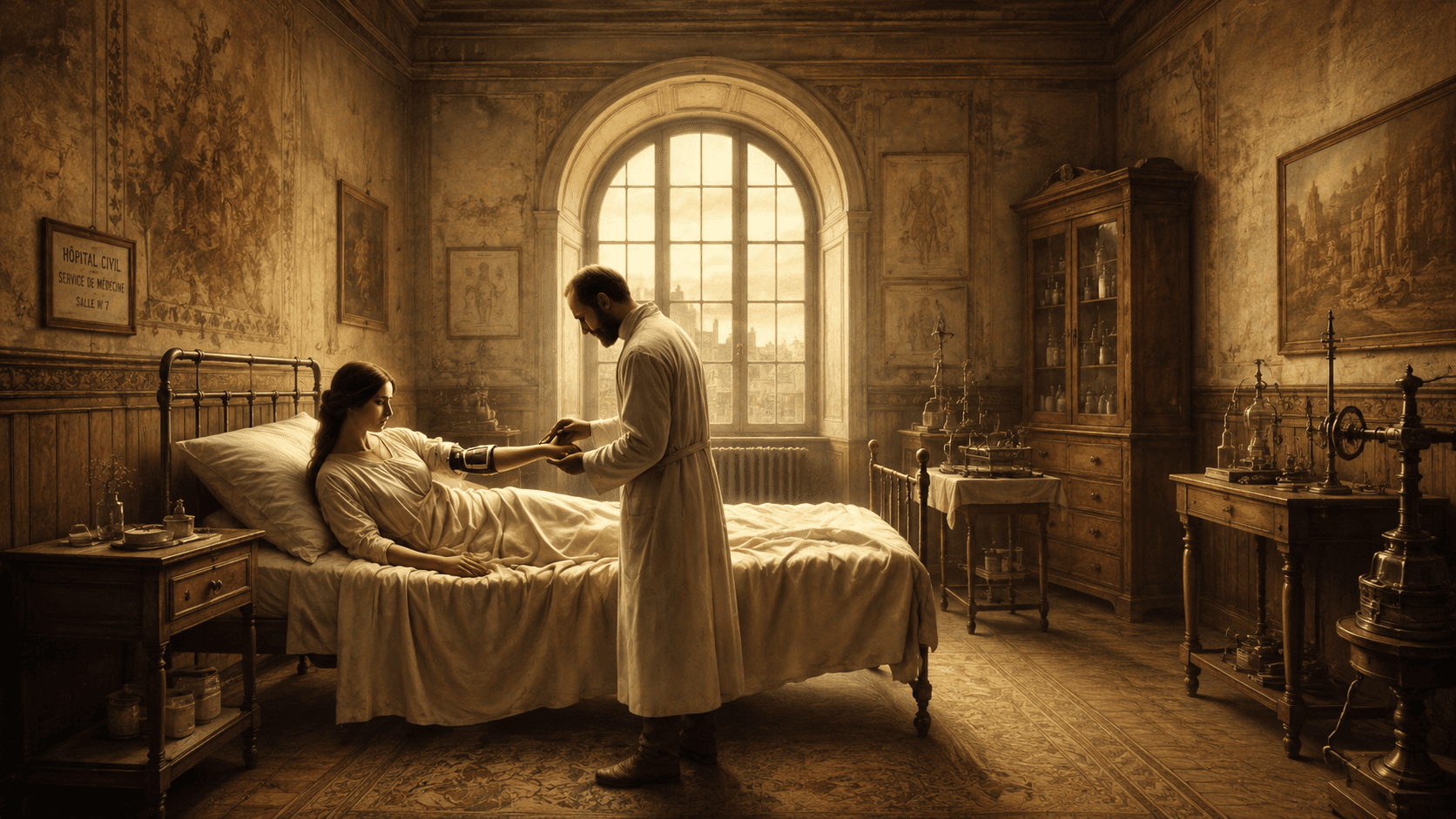
Vintage-style illustration of a doctor in a white coat examining a red-haired child with a stethoscope in an early 20th-century hospital ward, with an iron bed, anatomical charts, bottles, and worn walls in the background.

“On avait fait venir le docteur Cottard qui, après m’avoir ausculté, m’avait déclaré sujet à des crises nerveuses et m’avait prescrit un peu de lait chaud avant de me coucher.” “They had called Dr. Cottard, who, after examining me, declared me subject to nervous attacks and prescribed a little warm milk before bed.” In Proust’s … Read more

Elixir of Love: Udite, udite rustici

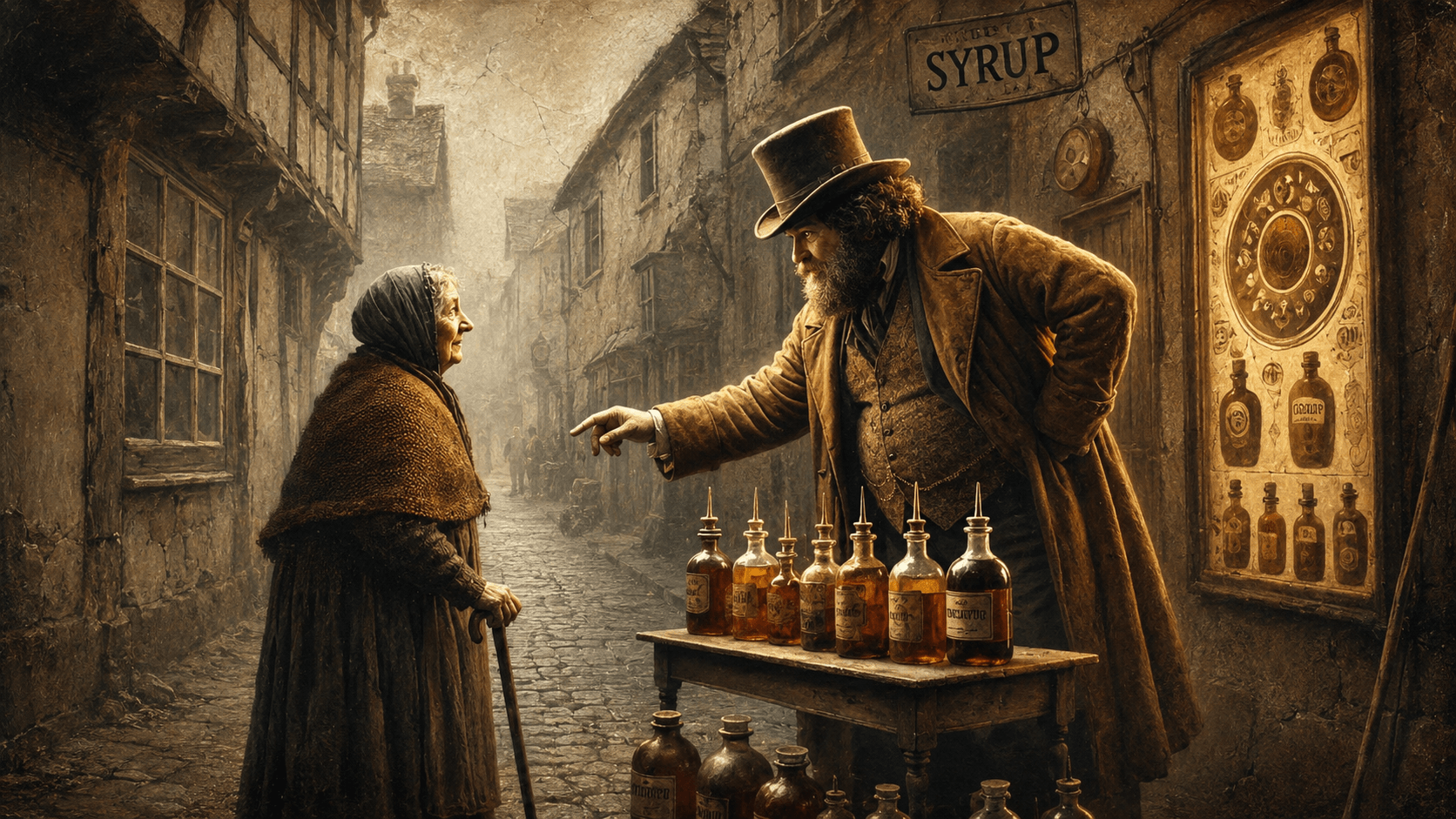
An elderly woman with a cane speaks to a bearded street medicine vendor beside a table of amber bottles in a misty, early 20th-century cobblestone alley.

(Hear me, hear me, listen, o countrimen) – The Elixir of Love by Gaetano Donizetti The Composer Gaetano Donizetti (1797–1848) was a leading Italian composer of the 19th century, renowned primarily for his operas. Alongside Gioachino Rossini and Vincenzo Bellini, he is considered one of the main exponents of bel canto—a lyrical style of operatic … Read more

The Barber of Seville by Gioacchino Rossini

An elderly physician speaks with a seated young woman in an early 20th-century hospital room filled with antique medical instruments, iron beds, glass bottles, and warm sepia light.

(“A un dottor della mia sorte” – “to a doctor of my station”) ““The Barber of Seville,” a witty comedy written by Pierre-Augustin Caron de Beaumarchais in 1775, was later transformed into a lively opera by Gioachino Rossini in 1816. Rossini’s adaptation breathed new musical life into this classic tale. The Story Rosina lives under … Read more